
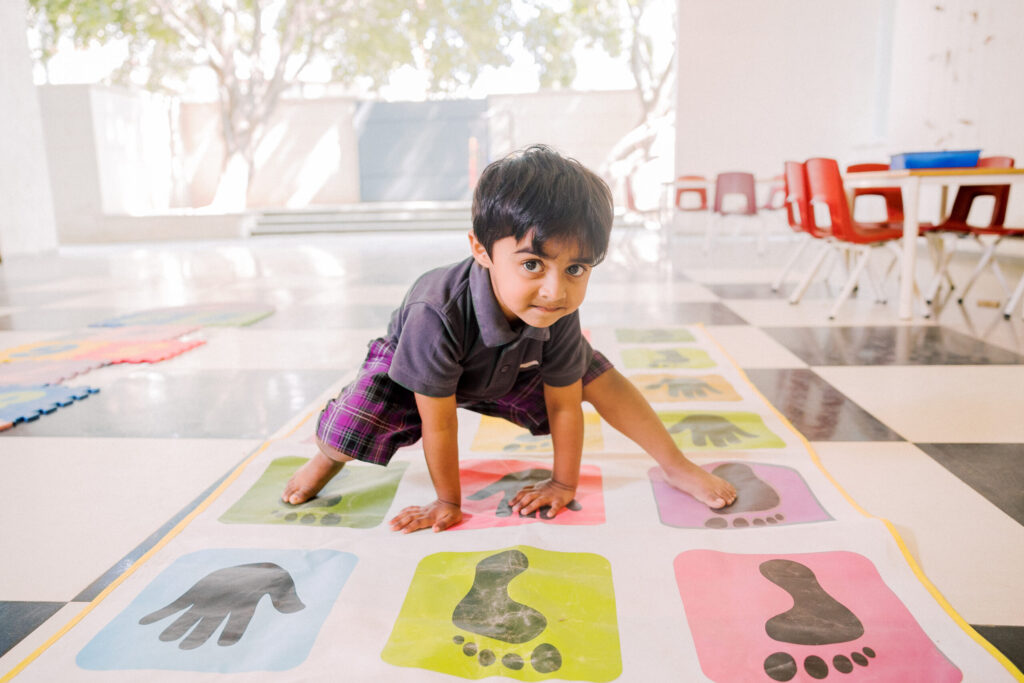
The first five years of a child’s life are a period of phenomenal growth and discovery. As parents and educators, we often view these early years as a time for play, naps, and learning to share. However, the reality is far more profound. Beneath the surface of finger painting and sandbox games, a child’s brain is wiring itself for the future.
Understanding exactly How Early Childhood Education Shapes Long-Term Academic Success is essential for anyone invested in the next generation. Quality early learning does not merely keep children occupied; it lays the neurological, social, and academic groundwork for their entire educational journey.
In this comprehensive guide, we will explore the science behind early learning, the impact of various teaching methods, and how to set your child up for a lifetime of success.
The Science of Early Learning: Brain Development and Plasticity
To understand the long-term impact of early schooling, we must first look at the science of child development. From birth to age five, a child’s brain develops more rapidly than at any other point in life, forming over one million new neural connections every single second.
This phenomenal adaptability highlights the importance of brain plasticity in early childhood education. Brain plasticity refers to the brain’s ability to change, adapt, and form new pathways based on experiences. When young children are placed in stimulating, nurturing educational environments, their brains literally wire themselves to become better problem-solvers and critical thinkers.
During these crucial years, pediatricians and educators carefully monitor developmental milestones. These milestones—ranging from taking a first step to speaking in full sentences—act as a roadmap, ensuring that a child’s physical, cognitive, and emotional growth is on track.
Building the Academic Foundation
When we talk about preschool, we aren’t just talking about learning the alphabet. High-quality early childhood education focuses on achieving specific cognitive development milestones for preschoolers. These include:
- Sorting objects by shape and color.
- Understanding the concept of time (yesterday, today, tomorrow).
- Asking “why” and “how” questions to understand cause and effect.
- Recalling parts of a story.
By guiding children through these milestones, educators establish a robust early literacy and numeracy foundation for elementary school. A child who learns to recognize patterns through play in preschool will find it much easier to grasp complex mathematical equations a decade later.
Beyond Academics: The Hidden Drivers of Success
While ABCs and 123s are important, long-term academic success relies heavily on “soft skills.” Modern early education programs place a massive emphasis on holistic growth.
Executive Function and Self-Regulation
One of the most critical elements fostered in preschool is the development of executive function skills in young children. Executive function acts like an air traffic control system in the brain. It includes working memory, flexible thinking, and self-control. When a child learns to wait their turn to use the slide or follow multi-step instructions during a craft project, they are practicing executive function. These skills are directly correlated to higher test scores and better classroom behavior in later years.
Social and Emotional Learning (SEL)
Furthermore, the social-emotional learning impact on future grades cannot be overstated. Children who learn how to identify their feelings, manage frustration, and empathize with peers are better equipped to handle the stresses of higher education. A student who can healthily navigate a disagreement with a peer in kindergarten is less likely to experience debilitating social anxiety in middle school, freeing up cognitive energy to focus on academics.
Play-Based vs. Structured Learning: What Works Best?
When parents begin exploring preschool options, they are often bombarded with different educational philosophies. Understanding these methods is key to finding the right fit for your child.
The Power of Play
Many top-tier programs emphasize play. The long-term benefits of play-based learning are widely documented by child psychologists. Through guided play, children naturally engage in trial-and-error, develop intrinsic motivation, and build complex social scenarios. Play is not a break from learning; it is the very mechanism through which young children learn best.
Comparing Curriculums
Parents also frequently weigh montessori versus traditional preschool curriculum effectiveness.
- Traditional Preschools: Often feature a teacher-led structure, focusing on group activities, scheduled lessons, and standardized academic preparation.
- Montessori Programs: Emphasize child-led learning, independence, and mixed-age classrooms where children choose from hands-on activities at their own pace.
Studies show that both approaches can be highly effective, provided the center is of high quality. The “best” curriculum ultimately depends on your child’s unique learning style and temperament.
The Crucial Role of Early Intervention
Not all children develop at the exact same pace, and some may face unique hurdles. This is where early learning centers play a lifesaving role. Parents often ask, why is early intervention important for learning disabilities?
Because of the brain’s high plasticity during the early years, identifying and addressing learning disabilities (like dyslexia or ADHD) early on can dramatically alter a child’s trajectory. Instead of struggling through elementary school and developing a negative relationship with learning, children receive the tools they need to succeed from the start.
Mitigating developmental delays through early childhood intervention involves speech therapy, occupational therapy, and specialized instruction integrated seamlessly into a child’s routine. Catching these delays at age three rather than age eight saves years of frustration.
Ultimately, this proactive approach is a primary factor in closing the achievement gap with early childhood programs. By providing equal access to foundational learning and early interventions, we can ensure that children from all socioeconomic backgrounds start kindergarten on a level playing field.
Long-Term Outcomes: High School and Beyond
The benefits of early education do not fade when a child enters elementary school. In fact, longitudinal studies have tracked preschoolers well into adulthood, revealing incredible data.
Graduation and Career Success
People often wonder, how does preschool affect high school graduation rates? The data is clear: children who attend high-quality early learning programs are significantly more likely to graduate from high school, attend college, and hold skilled jobs than their peers who did not. They are also less likely to repeat grades or require special education services.
Public vs. Private Options
When evaluating these long-term statistics, researchers often compare public preschool vs private childcare outcomes. Interestingly, the data suggests that the label of the school (public or private) matters much less than the quality of the instruction. A well-funded, high-quality public Pre-K program can yield the exact same, if not better, long-term academic benefits as an expensive private academy, provided the foundational elements of early learning are in place.
The Economic Perspective
Because early education reduces the need for remedial schooling, lowers crime rates, and produces a more capable workforce, the economic impact of early childhood education investments is staggering. Economists note that for every dollar invested in high-quality early childhood programs, society yields a return of anywhere from $4 to $9. It is one of the most brilliant investments a community can make.
Actionable Tips: Making the Right Choice for Your Child
Knowing the benefits is only half the battle; the next step is finding the right environment. If you are wondering how to choose high-quality early learning centers, keep these actionable tips in mind:
- Observe the Teachers: The most critical metric of a great preschool is teacher-child interaction quality and academic growth. Are the teachers getting down on the child’s eye level? Are they asking open-ended questions? Warm, responsive interactions are the bedrock of early learning.
- Check the Environment: The classroom should be clean, safe, and divided into distinct learning zones (e.g., a reading nook, a block-building area, an art station).
- Ask About Turnover: High teacher turnover can disrupt a child’s sense of security. Look for centers with long-term, dedicated staff.
- Location and Culture: Find a place that aligns with your family’s values. For instance, whether you are searching for the best preschool in bangalore or evaluating a community co-op in a small town, you want a school that welcomes parent involvement and communicates transparently.
- Look for Joy: Academic rigor should never replace joy in a preschool environment. If the children look stressed or bored, it is not the right fit. Learning at this age should look and feel like fun.
The Final Takeaway
The early years are a fleeting, magical, and critically important window of opportunity. From the rapid firing of neurons in a toddler’s brain to the triumphant moment a high school senior walks across the graduation stage, the thread of early education runs through it all.
By prioritizing high-quality early childhood education, we do more than just prepare our kids for kindergarten. We equip them with the emotional resilience, executive functioning, and cognitive curiosity they need to navigate an ever-changing world. When we invest in our children’s first few years, we are truly investing in their lifetime of success.